Penny Hamlin
HancockHamlin
Biography
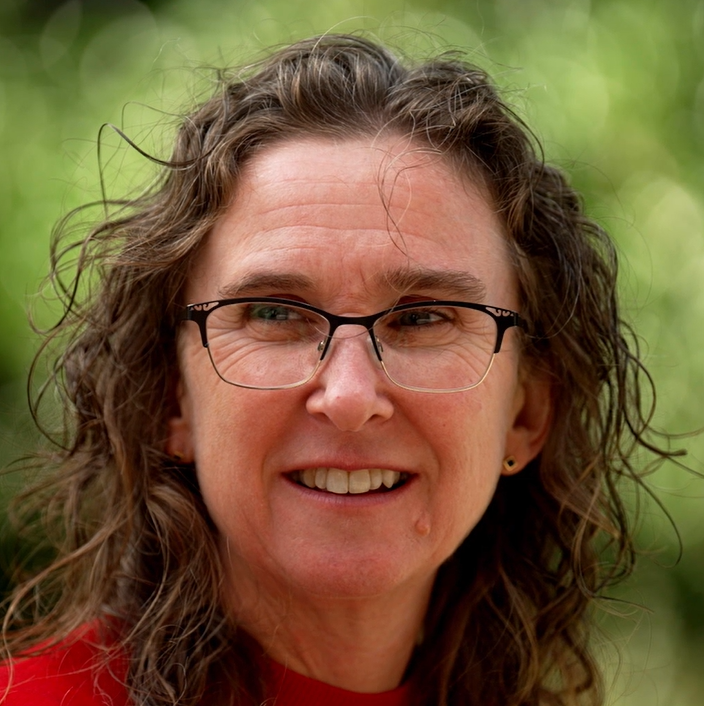
Penny is the co-founder of HancockHamlin, where she enables engineers to navigate complexity and develop pragmatic, sustainable solutions for society. She combines a background in policy, business and innovation strategy with deep expertise in complexity practice to ensure technical solutions effectively serve the people and systems they are designed to change. Penny holds an MSc in Sustainable Development from the University of Sussex and is a qualified VSM Coach via Metaphorum, a Certified Emergenetics Associate, and Cynefin-trained.
Sessions
From Building a Regime to Running It: A Participatory Viable System Model Diagnostic of a Regulator Entering Dual-Mode Operation
Purpose: In January 2026 the Heat Networks Directorate of Ofgem moved from designing a new regulatory regime to operating it while continuing to develop it. Initially our project asked how they could develop a better operating model, but what it concluded was that they were shifting to from a single to two core activities and needed to adapt to be able to deliver in parallel. Methods: Over ten weeks the authors combined an independent diagnostic with certified Practitioner training. A preliminary recursive map, developed inside the Directorate through a Royal Academy of Engineering Policy Fellowship, became the training material: seven staff qualified as Practitioners while jointly interrogating and revising their own model. Four systems were analysed across three levels of recursion. Findings: The decisive finding was structural. Operating the regime and developing it can no longer share one management system; each needs its own delivery, coordination and adaptive capacity, introducing a new level of recursion at the top. The analysis produced 108 observations and 28 mitigations, concentrated in under-developed coordination (System 2), thin adaptation (System 4) and an absent technical authority. Implications and Contributions: The engagement offers a transferable pattern for regulators moving from design to operation. It also surfaced a recurring question: whether to keep
From Building a Regime to Running It: A Participatory Viable System Model Diagnostic of a Regulator Entering Dual-Mode Operation
Purpose: In January 2026 the Heat Networks Directorate of Ofgem moved from designing a new regulatory regime to operating it while continuing to develop it. Initially our project asked how they could develop a better operating model, but what it concluded was that they were shifting to from a single to two core activities and needed to adapt to be able to deliver in parallel. Methods: Over ten weeks the authors combined an independent diagnostic with certified Practitioner training. A preliminary recursive map, developed inside the Directorate through a Royal Academy of Engineering Policy Fellowship, became the training material: seven staff qualified as Practitioners while jointly interrogating and revising their own model. Four systems were analysed across three levels of recursion. Findings: The decisive finding was structural. Operating the regime and developing it can no longer share one management system; each needs its own delivery, coordination and adaptive capacity, introducing a new level of recursion at the top. The analysis produced 108 observations and 28 mitigations, concentrated in under-developed coordination (System 2), thin adaptation (System 4) and an absent technical authority. Implications and Contributions: The engagement offers a transferable pattern for regulators moving from design to operation. It also surfaced a recurring question: whether to keep