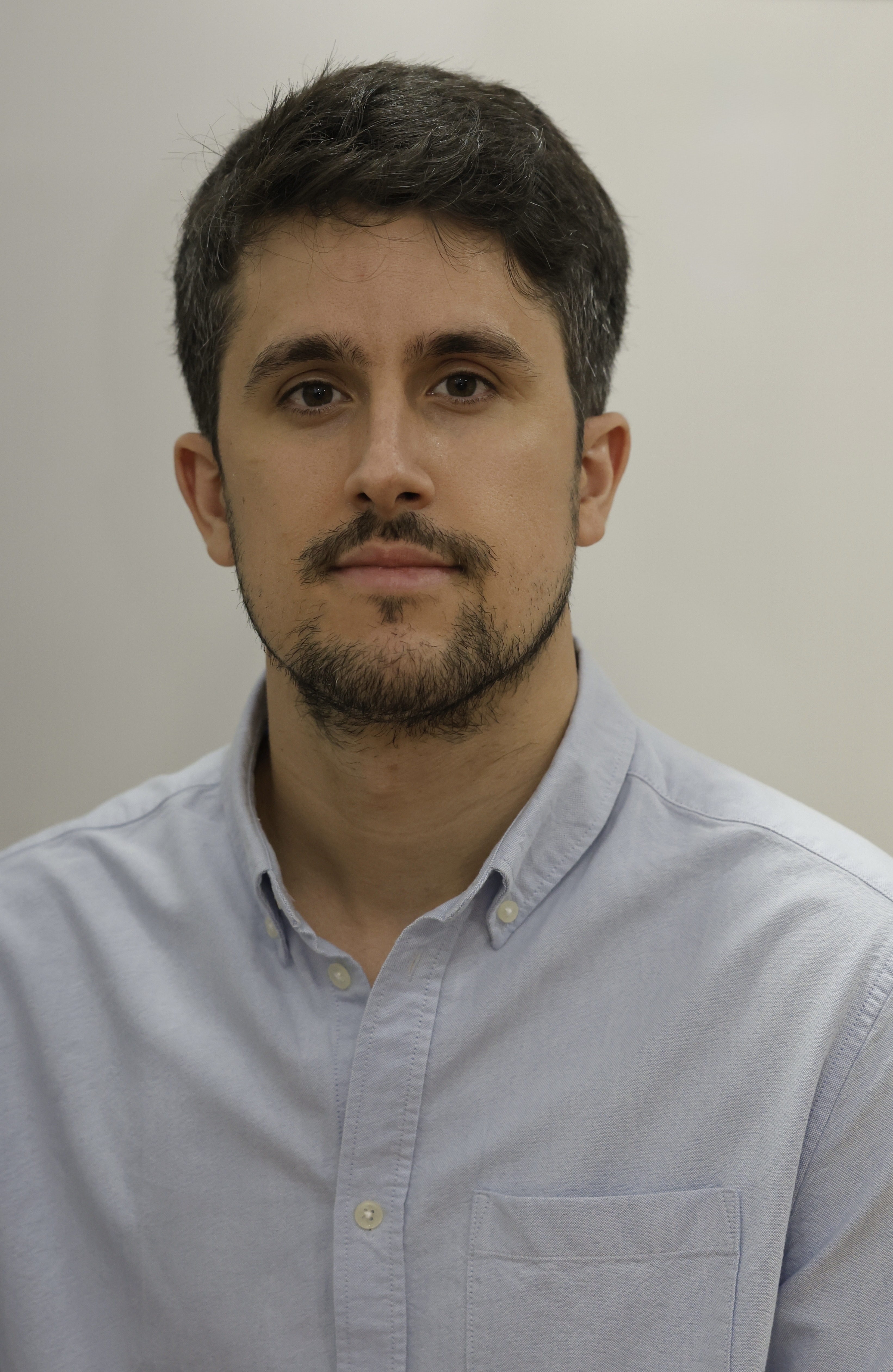
Miguel Garcia Matas
University of Edinburgh
Biography
Miguel Garcia Matas is a PhD candidate at the University of Edinburgh, currently at the VIVA stage, specialising in Financial Technology. His industrial PhD thesis examined the intersection of two-sided markets and tokenomics, using a cybernetic approach to develop agent-based simulations for analysing platform viability and governance. He also teaches Economics for Business and Principles of Management at the undergraduate level.
Sessions
Design of a Cybernetic Governance Framework for Platform Tokenomics
Two-sided market platforms in their early stages must coordinate buyers and sellers whilst remaining adaptable as they develop a viable dynamic organisational structure. This paper addresses such a challenge, through a programme of action research. We engage with a realworld, blockchain-enabled platform start-up whose founder aims to create in the long-term a democratised form of decentralised autonomous organisation (DAO). Decentralisation is not treated as an immediate condition to be met at the outset, but instead as a strategic idealised endpoint that can only be approached indefinitely once the platform has had the opportunity to develope the requisite coordination, control, and adaptability mechanisms needed to sustain it. We use the Viable System Model (VSM) as the framework to unpack the dynamic mechanisms fostering the underpinning transition. We develop representative conceptual models of such mechanisms and then translate them into formal models amenable to scientific analysis. Through extensive simulations, we then derive more general conditions for similar platforms to successfully pass the test of time and reach long-term viability. The paper offers a pragmatic account of platform design, especially the role of token tradability and its implications for long-term platform viability supported by tokens granting governance rights. We conclude that genuine decentralisation in tokenised DAOs is more likely to emerge from a centralised viable organisation through successive relaxations on the central vertical axis, rather than by attempts to impose decentralisation at launch, this view is consistent with the known idea that “the purpose of a system is what it does” (POSIWID).