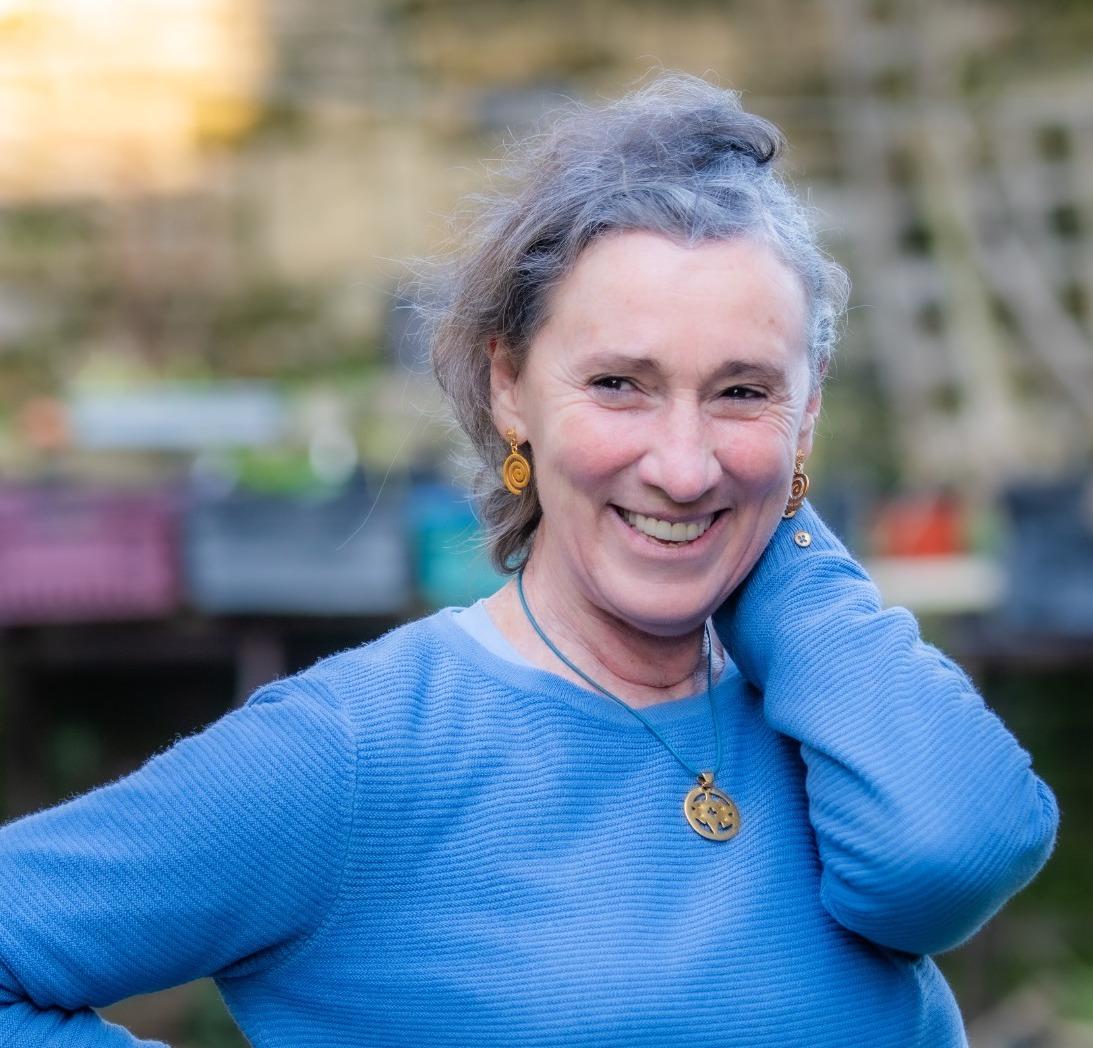
Angela Espinosa
Metaphorum
Biography
Director of Metaphorum and organizational cybernetics scholar. She earned her PhD in organizational cybernetics in 1995 and worked closely with Stafford Beer. Former Reader in Cybernetics at Hull University Business School and currently an Emeritus Fellow. Honorary Research Fellow at Exeter University and Transylvania Executive Education. Recipient of the Ashby Lecture (2002) and Norbert Wiener Award (2006). Author of books including 'A Complexity Approach to Sustainability' and 'Sustainable Self-governance in Businesses and Societies: The Viable System Model in Action'.
Sessions
Managing organisational and societal complexity for a fairer and more sustainable new world
Stafford Beer was an extraordinary person and had a lasting influence on those of us who had the honour of meeting him and learning about his work directly from him. In this Festschrift chapter I will share, how he inspired me to continue expanding the boundaries of his original theories, and how I have been developing his ideas and suggesting ways to put them into practice. It first explains how I understand the Viable System Model (VSM) as a theory that explains how organisations manage their complexity to be more viable but also more sustainable. Then I will explain my understanding of sustainable self-governance, how it relates to current theories of governance, and the criteria VSM inspires, to develop capabilities for sustainable self-governance. Then it briefs on my way to apply the VSM, by following the ‘Self-transformation Methodology’ (STM) as a learning device. The STM aims to enable people to deal with complexity, not only in businesses but also in other types of social organisations, including communities, ecoregions and nations. It provides short vignettes from decades of consulting and teaching the VSM: first from a decade of cybernetic projects at the national level in Colombia; and then from two decades of action research in organisational viability and sustainability with colleagues and students, worldwide. By the end it offers some reflections about desirable paths to further develop the VSM, to support humankind in the main challenges we are now facing in order to remain as a sustainable living specie.